It started with one cup of Amarena gelato.
On a hill town in Tuscany, on a hot afternoon, with a view of the towers of San Gimignano. Nick and Kim Corso came home knowing they had to bring that gelato back to South Jersey.
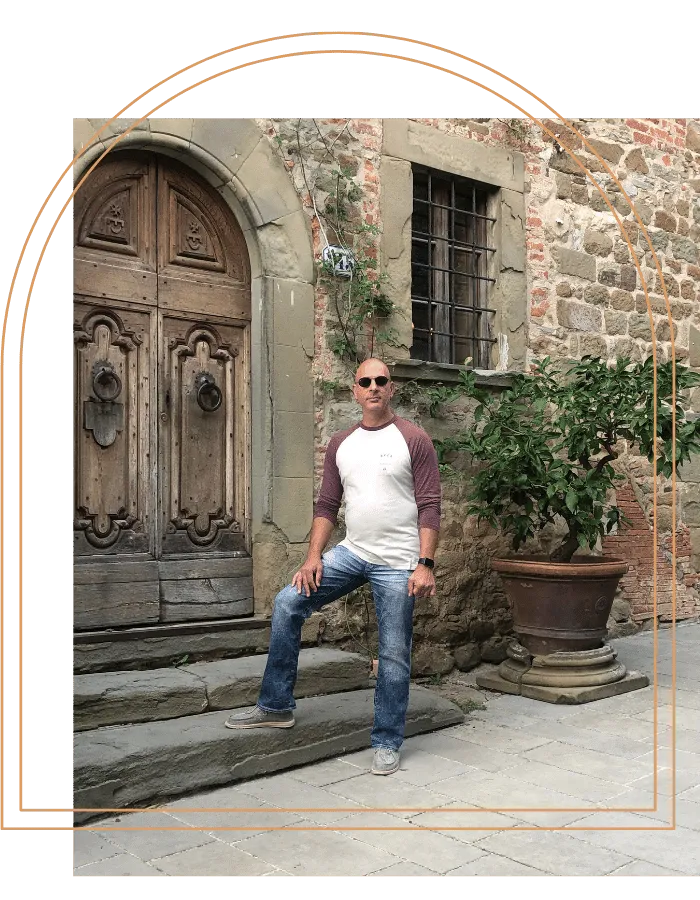
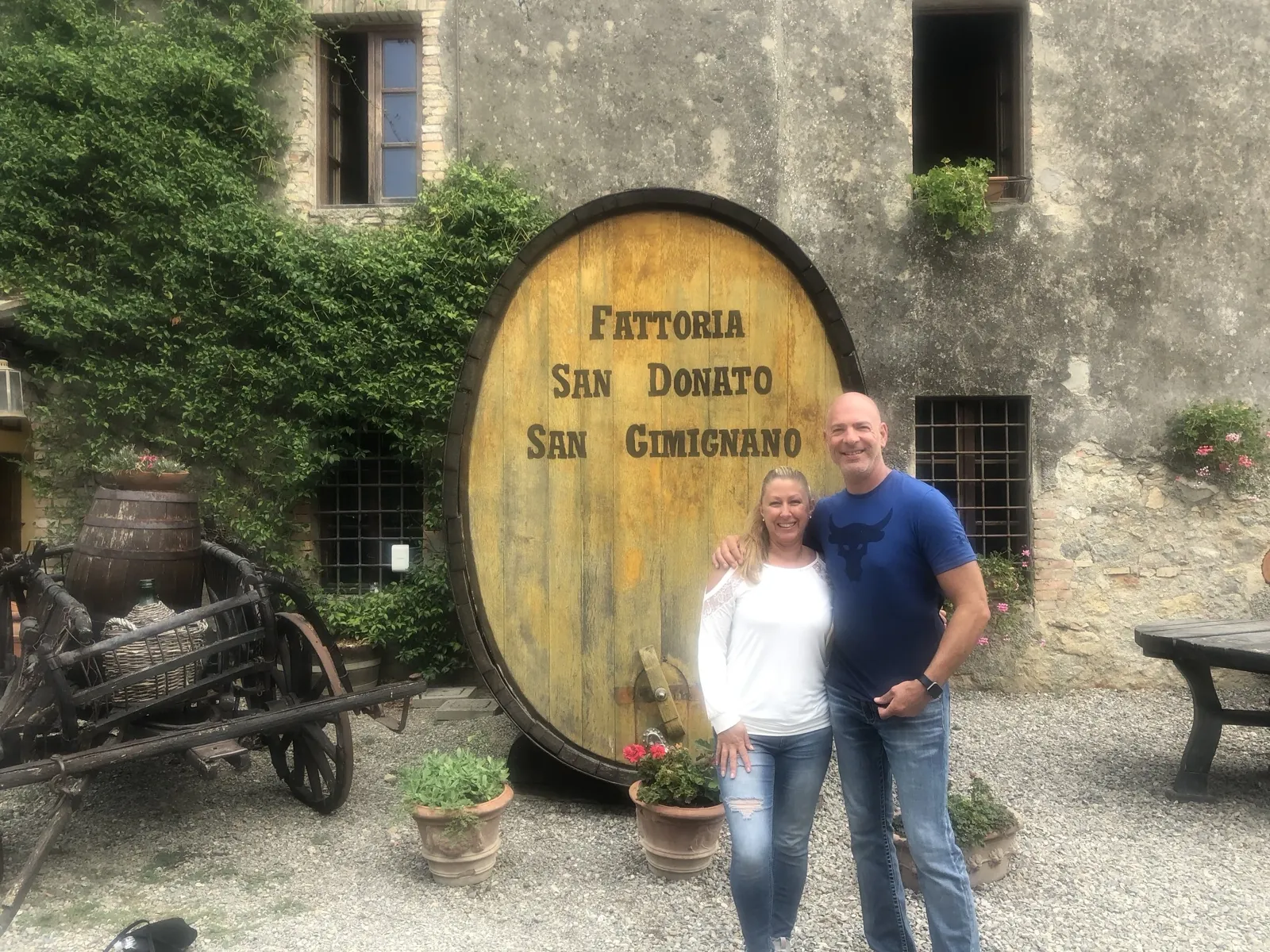
Two people, one idea.
Nick and Kim Corso went to Italy as visitors and came home with a plan. The cup of Amarena gelato in San Gimignano was the moment: dense, served just cold enough, and tasting of real cherries. Nothing back home came close, so they decided to make it themselves.
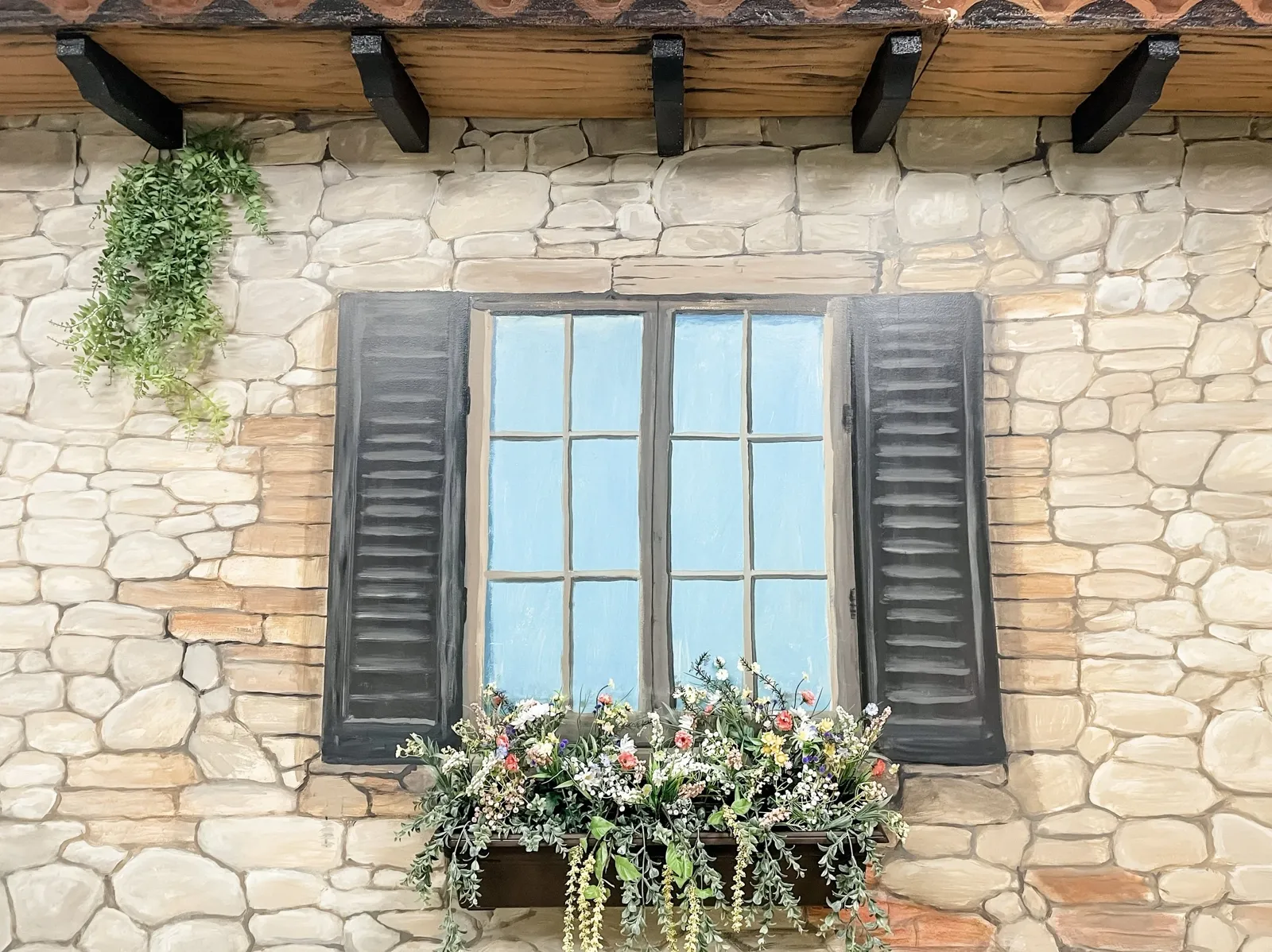
Kim built the room: an Italian outdoor café brought inside, with a mural of San Gimignano by local artist Steve Morrone, and walking tours of Italian villages playing on the screen. It’s the closest you can get to Tuscany without a boarding pass.
Nothing but the best. That’s the whole philosophy.Nick Corso
Trained in Bologna. Made in Sewell.
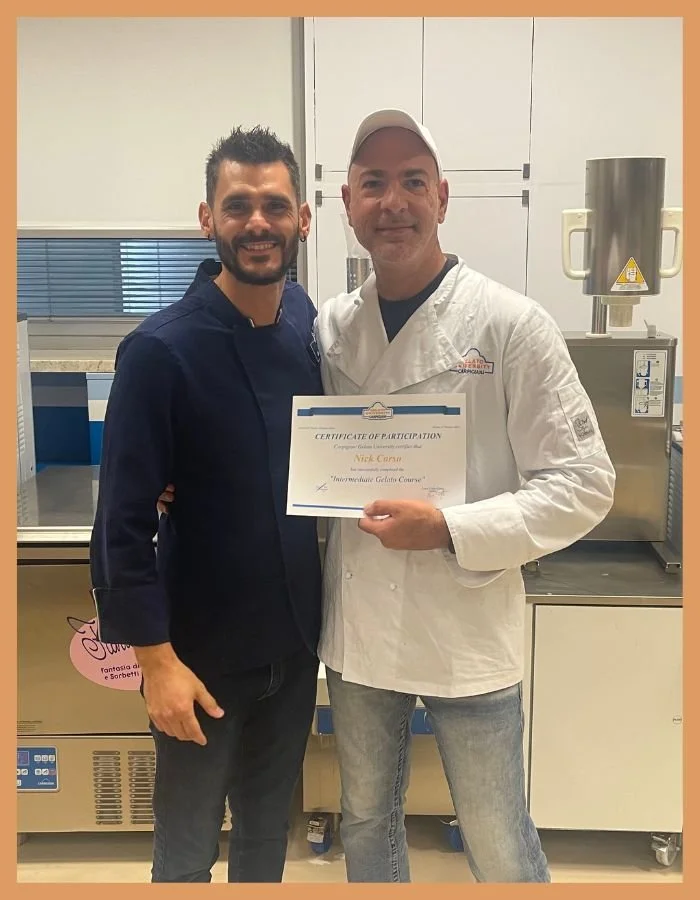
Nick did not want to just sell gelato, he wanted to make it properly. So he enrolled at an advanced gelato laboratory in Bologna, a city known throughout Italy for its food. Three weeks of long days with master instructors and modern equipment, learning balance, texture and patience.
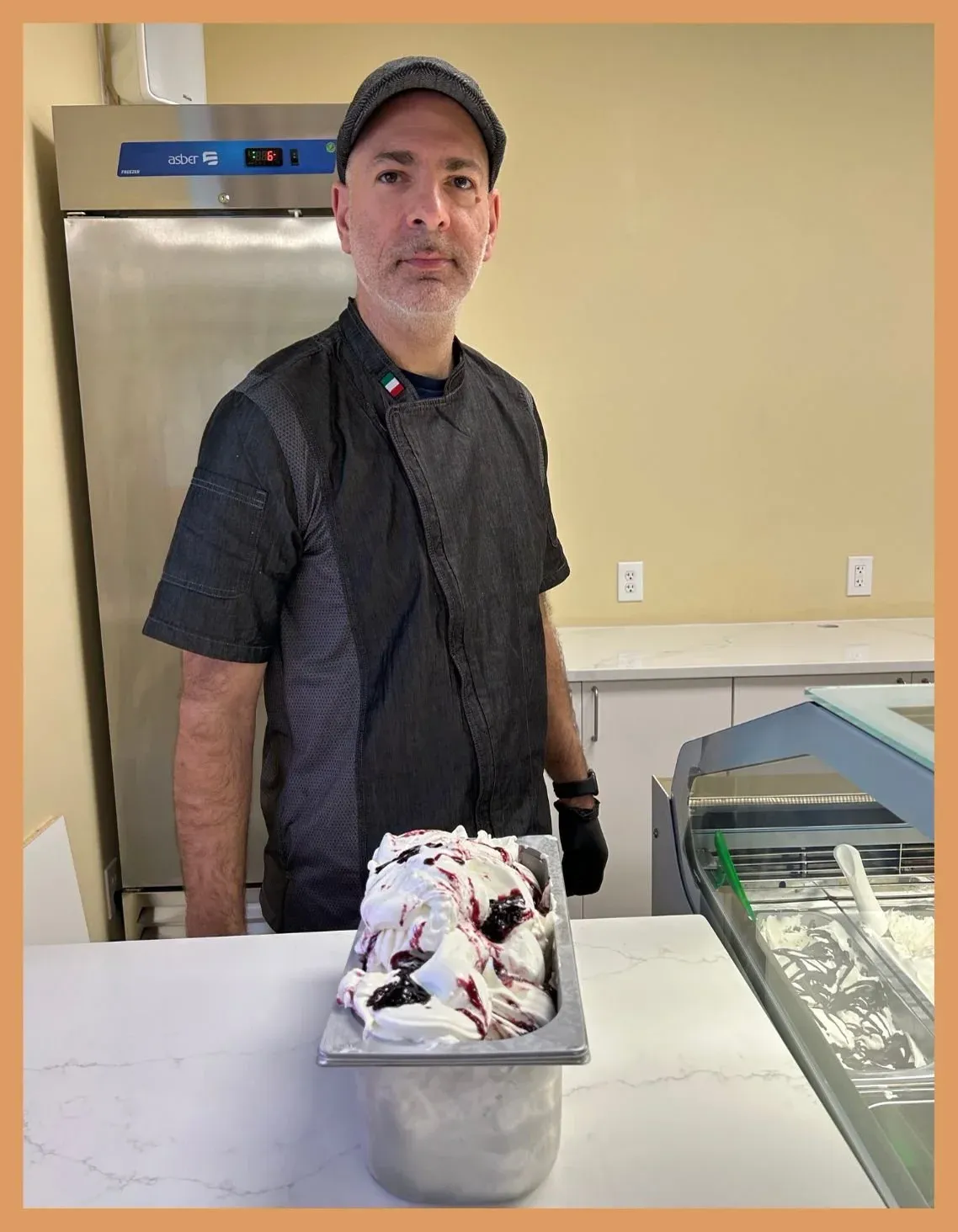
He came home with recipes, a clear set of standards, and a mission: an “oh wow!” in every cup. Selected local and imported Italian ingredients, with no exceptions. No preservatives. No flavored powders. Every batch hand-crafted, every day, for a richer, denser flavor you can taste from the first spoon.
What makes gelato, gelato.
Both are frozen and sweet. After that they are two different things.
Gelato
- More milk, less cream: roughly 4–8% fat
- Churned slowly, so it holds very little air
- Served a few degrees warmer, so flavor comes through immediately
- Dense, silky, intensely flavored
- Made fresh in small batches and eaten within days
Ice cream
- Cream-heavy: often 14–25% fat
- Churned fast; can be up to half air by volume
- Served very cold, which numbs the palate
- Rich but fluffy, with flavor arriving late
- Built to sit in a freezer for months
Two thousand years of cold, sweet things.
The art and craft of artisan gelato is older than Italy itself. Here’s the quick version.
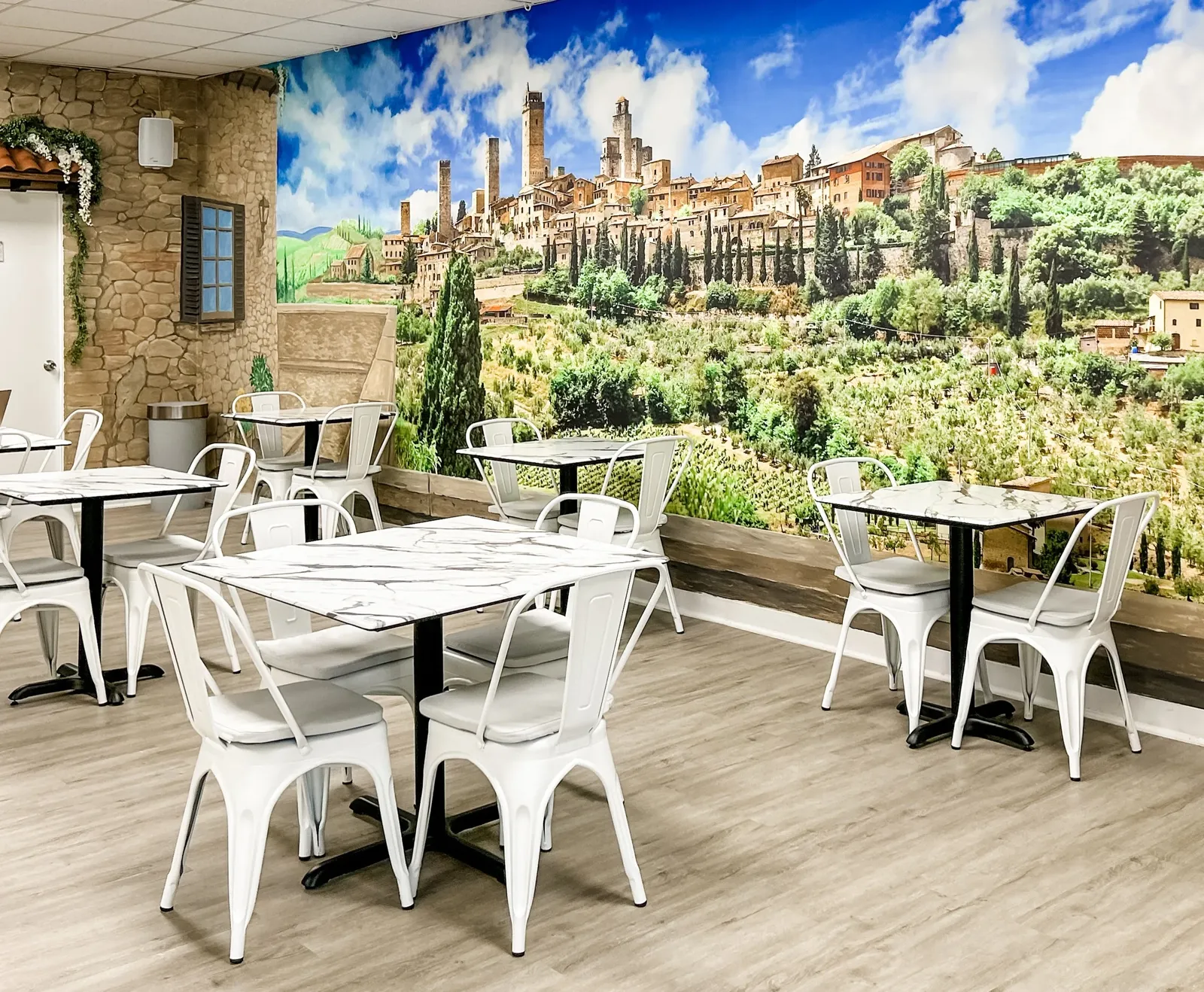 The mural, by Steve Morrone
- Antiquity
Snow from the mountains
Long before freezers, wealthy households bought snow and ice hauled down from the mountains by traders and used it to chill fruit, honey and wine.
- Middle Ages
Sharbat arrives
Persian cooks froze fruit juices, honey and rose water into sharbat. The word became sorbetto, and the idea travelled west through Sicily.
- Renaissance Florence
The Medici table
Florentine artisans experimented for the Medici court, and the first cream-based frozen desserts appeared at banquets in Tuscany.
- 17th–18th century
Milk, sugar, coffee, chocolate
Gelaterie opened across Italy. Milk, sugar, coffee and chocolate turned the icy treat into something rich and creamy, the gelato we know today.
- 20th century
The artisan tradition
Master gelato makers refined the craft with fresh fruit, nuts and small-farm dairy, protecting it from industrial shortcuts.
- Sewell, 2023
Dolce Vita opens on Greentree Road
Nick returns from the gelato laboratory in Bologna, Kim paints the walls, and a corner of San Gimignano opens across from Duffield’s Farm.